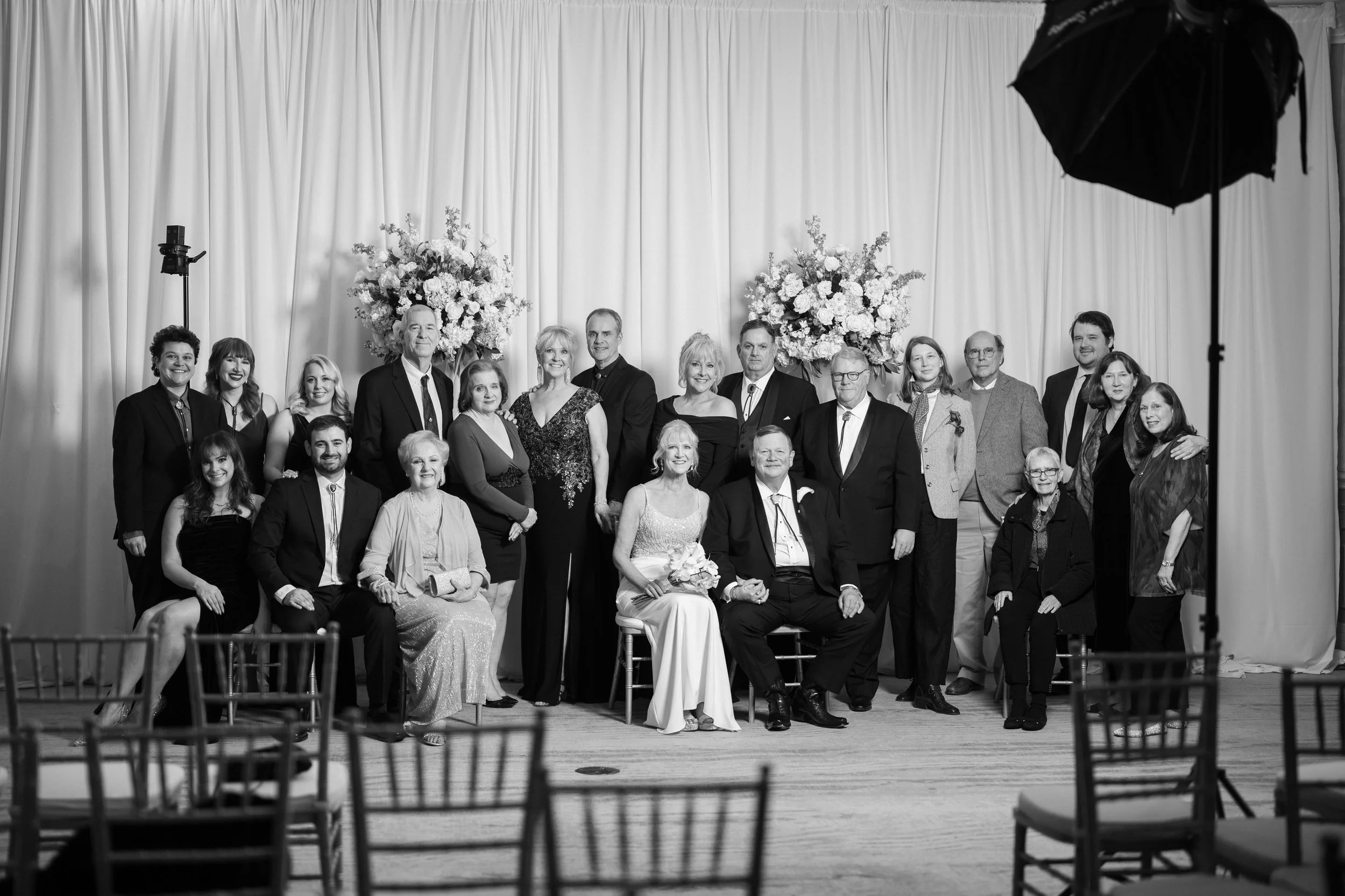
THE WEDDING DAY,
UNREHEARSED.
by veronica kim, may 2026
WITHOUT TURNING YOUR WEDDING INTO A PHOTOSHOOT
You do not need to spend your wedding day thinking about the camera.
You hired me as a your photographer so you could be present, enjoy the people around you and actually experience what is happening.
Still, a few small decisions can make an enormous difference.
Not because your wedding needs to be perfectly staged, but because some moments happen only once. During the ceremony, I cannot walk to the altar, move you six inches to the left or ask everyone to repeat the first kiss.
Here is what I wish every couple knew before the wedding day.
01
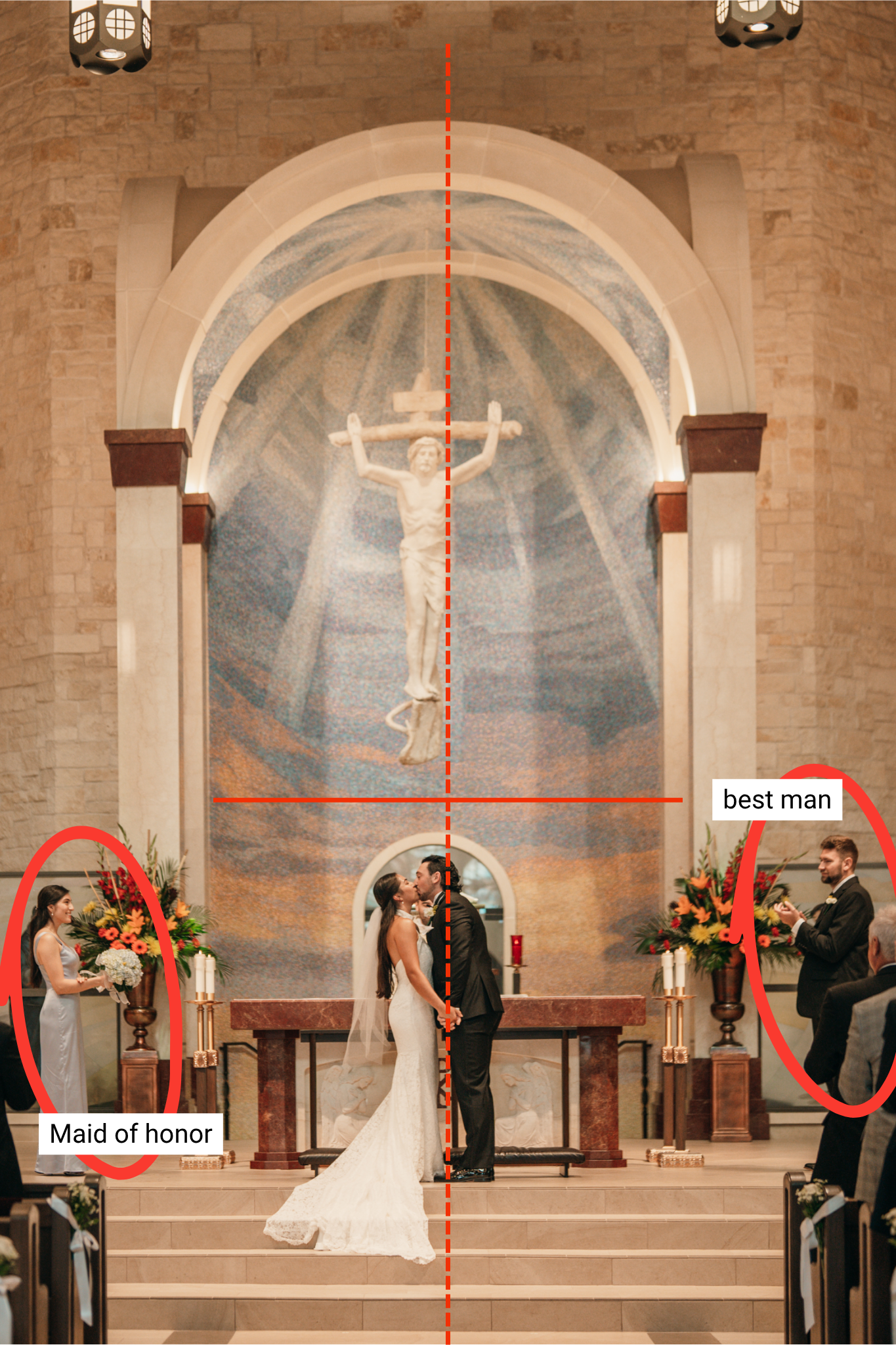
STAND IN THE CENTER
Before the ceremony begins, make sure you know exactly where you will stand.
This sounds obvious until the couple ends up slightly to one side of the altar, standing in front of a microphone stand, floral arrangement or exit sign.
Ask your officiant or coordinator to mark the center discreetly during the rehearsal.
Once the ceremony begins, I cannot interrupt it to reposition you.
Good symmetry gives the photographs a sense of intention, especially during the vows, ring exchange and first kiss.
02
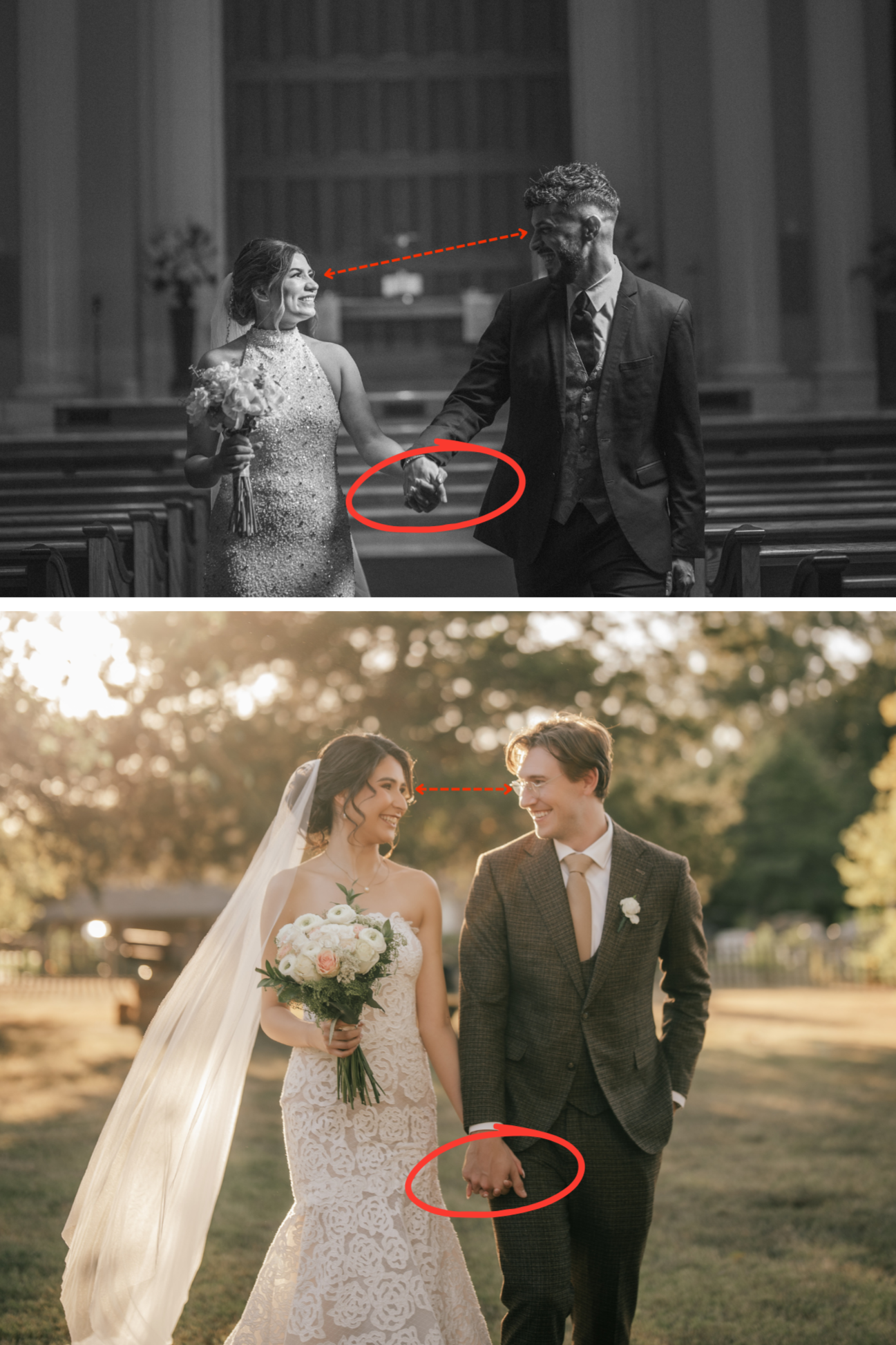
LOOK AT EACH OTHER
During the ceremony, couples sometimes become so focused on the officiant that they barely look at one another.
Remember why you are standing there.
When you walk together, exchange rings, listen to the vows or wait for the next instruction, look at each other occasionally.
Smile. Take the other person in.
These small glances often become more meaningful photographs than the formal moments themselves.
03
WALK SLOWER THAN YOU THINK
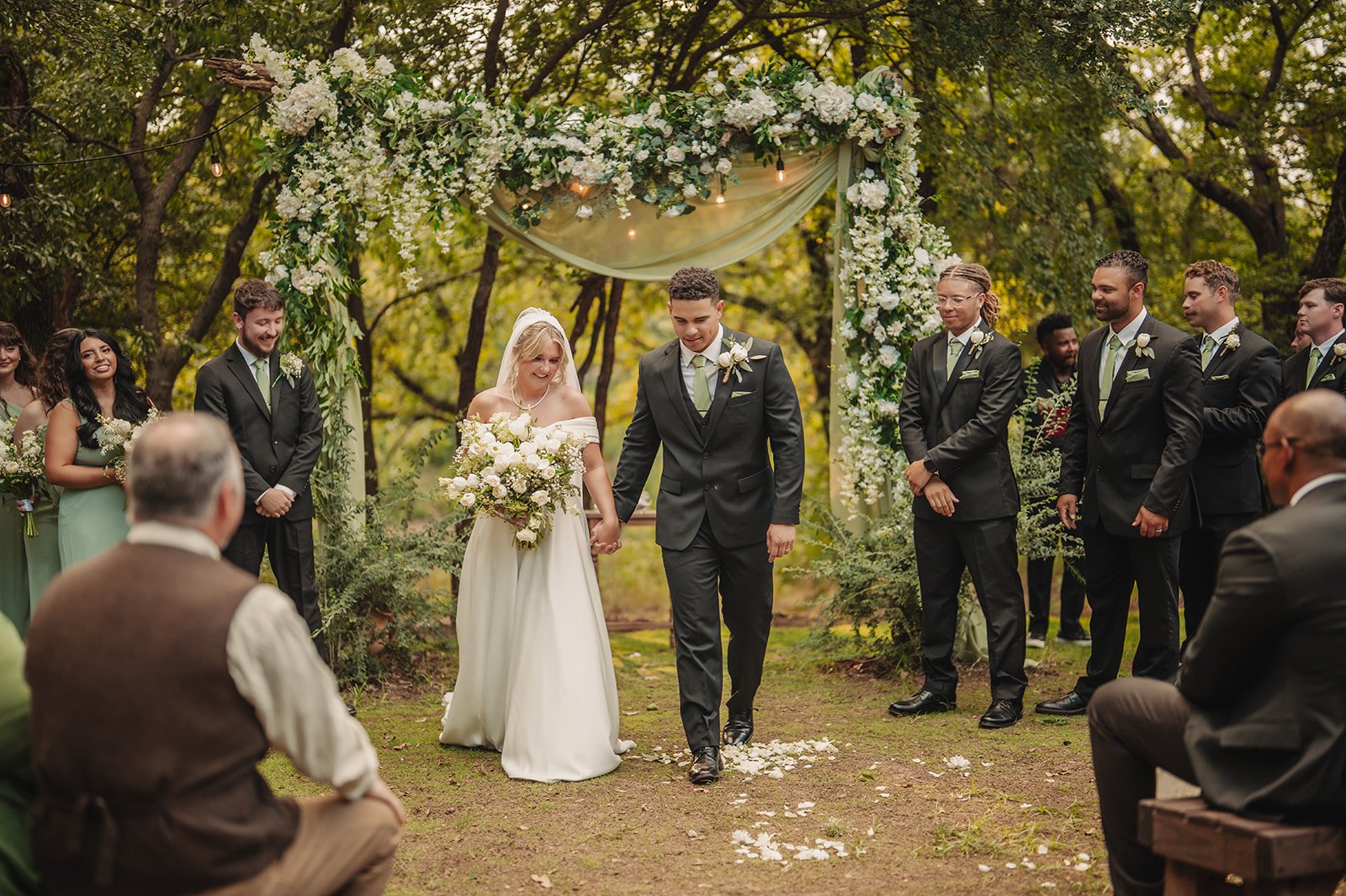
The walk down the aisle disappears quickly.
Do not rush it.
Keep your head up, relax your shoulders and leave a little space between yourself and the person walking beside you.
If you are carrying a bouquet, hold it around your waist rather than directly in front of your face or chest.
On the way back after the ceremony, look at each other. Smile. Let yourself react.
You have just been married. The photograph should look like it.
04
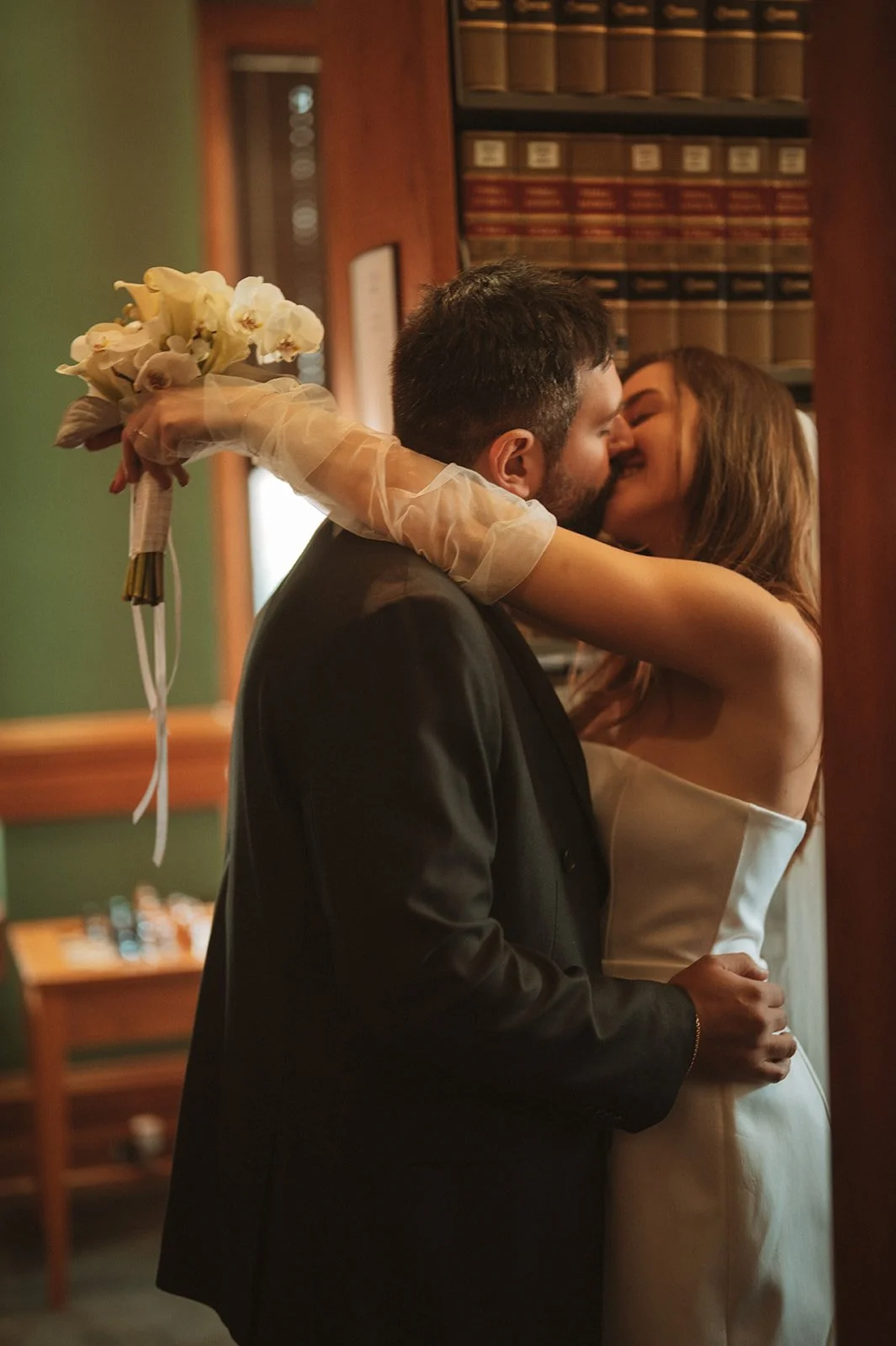
THE KISS NEEDS A SECOND
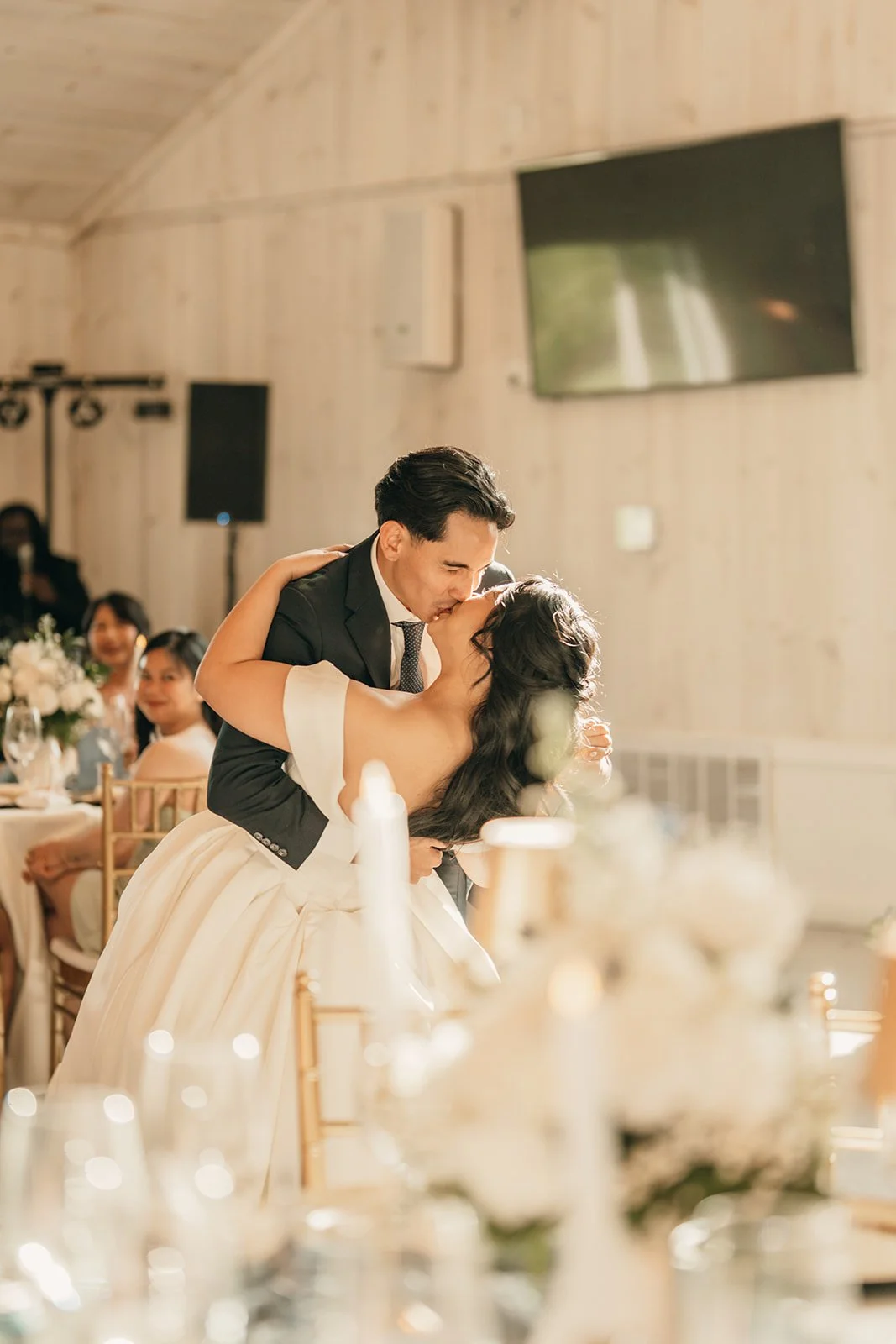
A very fast kiss can be over before anyone has time to register it.
You do not need to hold it dramatically, but give the moment two or three seconds.
Tilt your heads slightly in opposite directions. Keep your faces relaxed and avoid pushing your lips forward into a duck face.
Think less “pose for the camera” and more “final scene of a very good film.”
And after the kiss, do not immediately separate and look at the officiant.
Stay close for a second.
Smile at each other.
That moment immediately after the kiss is often even better than the kiss itself.
05
ASK YOUR GUESTS TO PUT THEIR PHONES AWAY
An unplugged ceremony is one of the best things you can do for your photographs.
Guests stepping into the aisle with phones and tablets can block the view during moments that cannot be repeated.
They may also appear directly behind you in the photographs, looking at their screens instead of watching the ceremony.
Add a short note to your wedding website or ceremony sign:
We invite you to be fully present. Please keep phones and cameras away during the ceremony.
You can also ask the officiant to make a brief announcement before the processional begins.
You hired a photographer to document the ceremony.
Your guests are allowed to simply experience it.
06
KEEP POWDER CLOSE
Texas heat, nerves, dancing and professional lighting can all create shine on the skin.
Ask one trusted friend or family member to carry translucent powder and a small brush for both partners.
Yes, both.
A quick touch-up before portraits, the ceremony or reception entrances can make a noticeable difference.
Also useful:
Blotting papers
Lip color
Tissues
Hairpins
A small comb
Lint roller
Stain-removal pen
Choose one person to hold these things so you do not spend the day looking for them.
07
YOUR FIRST DANCE HAS A BEST ANGLE
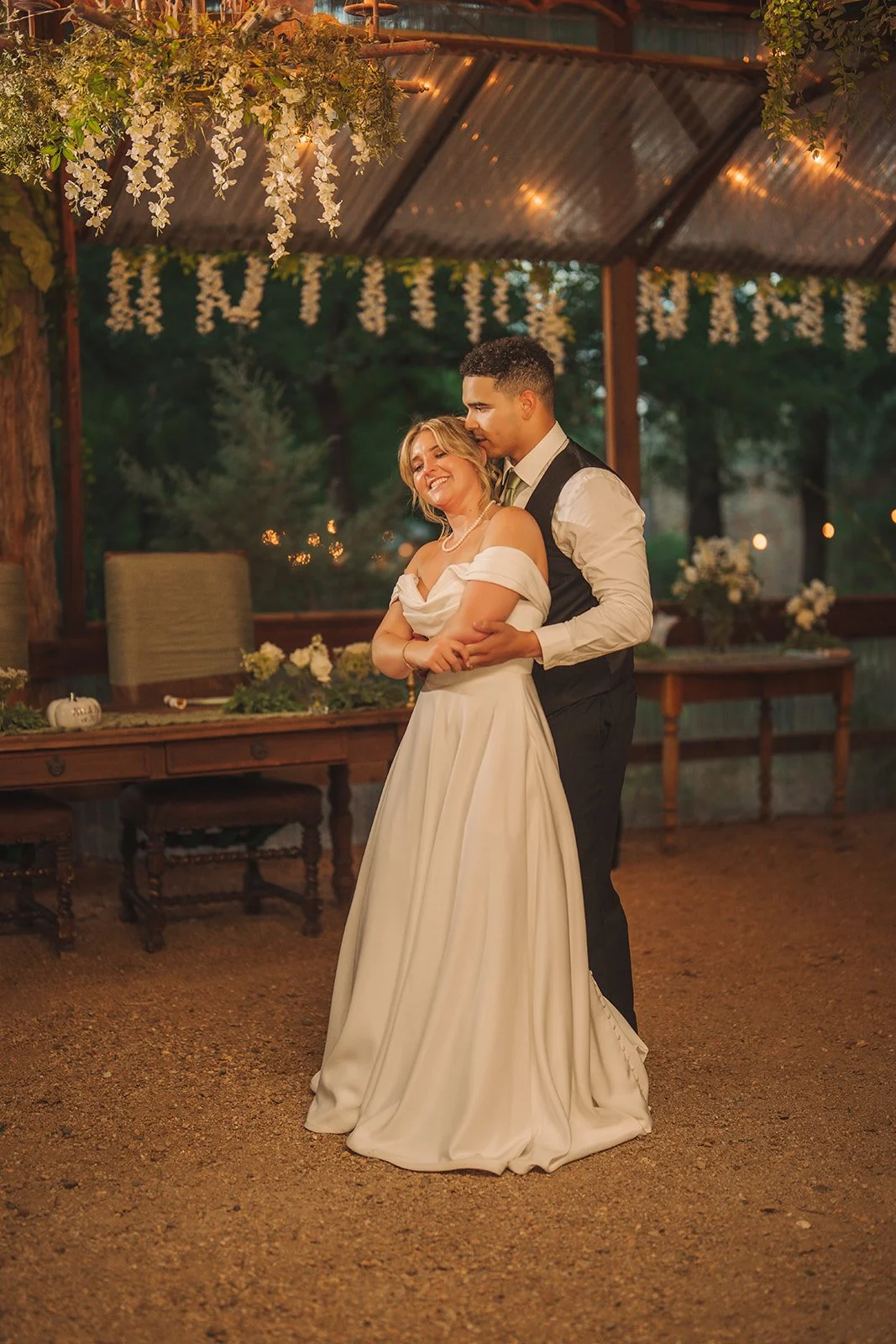
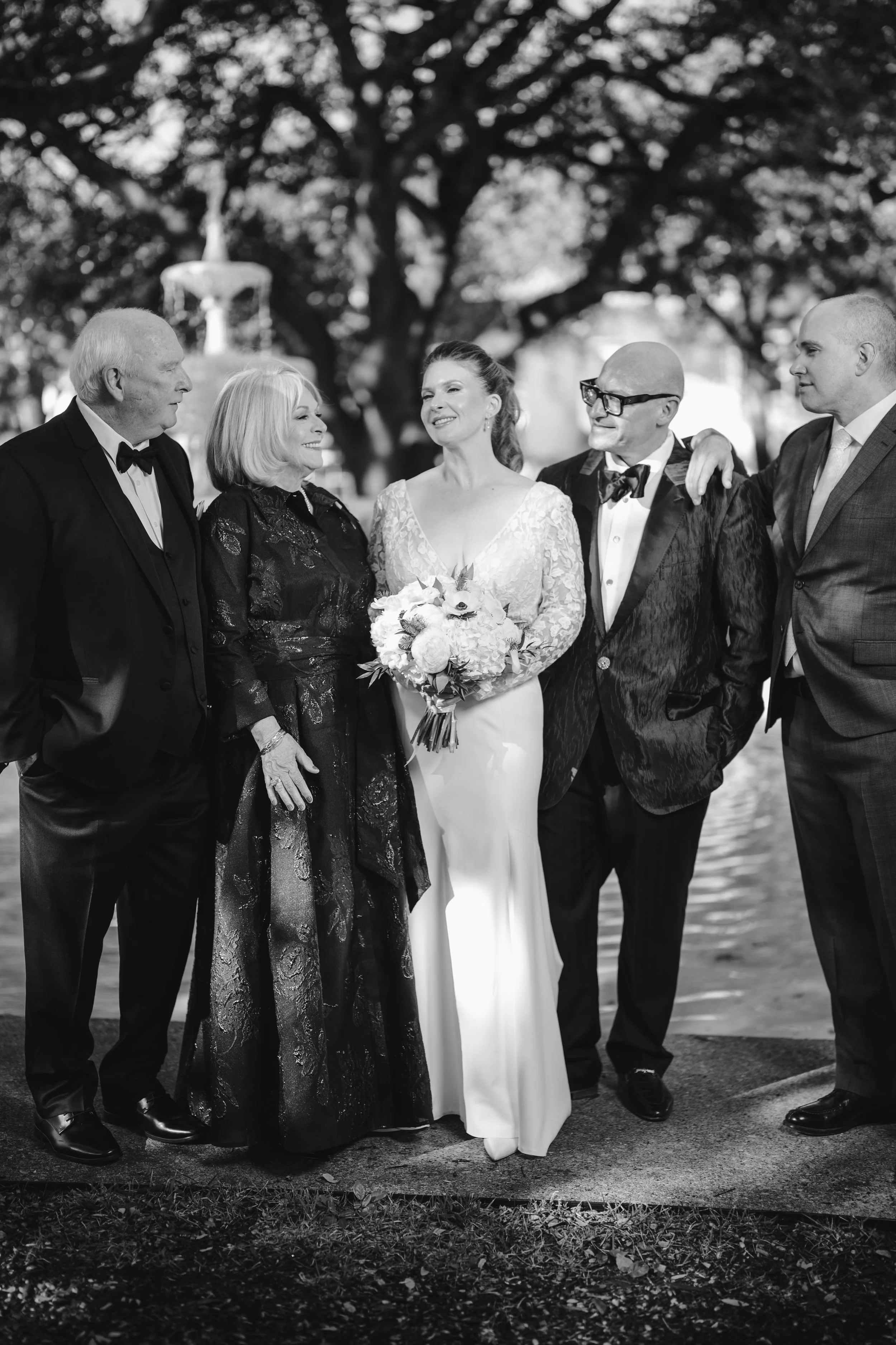
During the first dance, parent dances and other important dances, try not to remain with your back facing the photographer for the entire song.
The strongest angle is usually from the side.
It allows the camera to see both faces, your hands and the way you are holding each other.
You do not need to track where I am every second. Just keep moving naturally and avoid staying in one fixed position for the whole dance.
Slow turns help.
So does lifting your head occasionally instead of looking at the floor.
During parent dances, speak to each other. Smile. Let the conversation happen.
The emotional photographs usually come from those small interactions.
08
GIVE YOUR PHOTOGRAPHER THE REAL TIMELINE
Even without a wedding planner, create a detailed timeline and share it with your photographer before the wedding.
Include more than the ceremony and reception start times.
I need to know when the following will happen:
Getting ready
Details and flat lays
First look
Wedding-party portraits
Immediate-family photographs
Ceremony
Cocktail hour
Grand entrance
First dance
Parent dances
Speeches
Cake cutting
Cultural traditions
Outfit changes
Private last dance
Grand exit
The timeline helps me anticipate the light, choose equipment and prepare the correct lighting setup before each part begins.
A surprise speech may feel spontaneous to the guests.
For the photographer, it can mean being in the wrong room with the wrong lens and no lighting ready.
Spontaneous emotions are wonderful.
Surprise logistics are less helpful.
09
BUILD SPACE INTO THE TIMELINE
A schedule without any breathing room almost always falls behind.
Hair and makeup may take longer than expected. Someone may forget the rings. A family member may disappear
immediately before portraits.
Add small buffers throughout the day.
Even ten extra minutes can prevent portraits from feeling rushed.
The calmest-looking photographs usually come from timelines that allow people to move like human beings rather
than production assistants.
10
KEEP THE GETTING-READY ROOM CLEAR
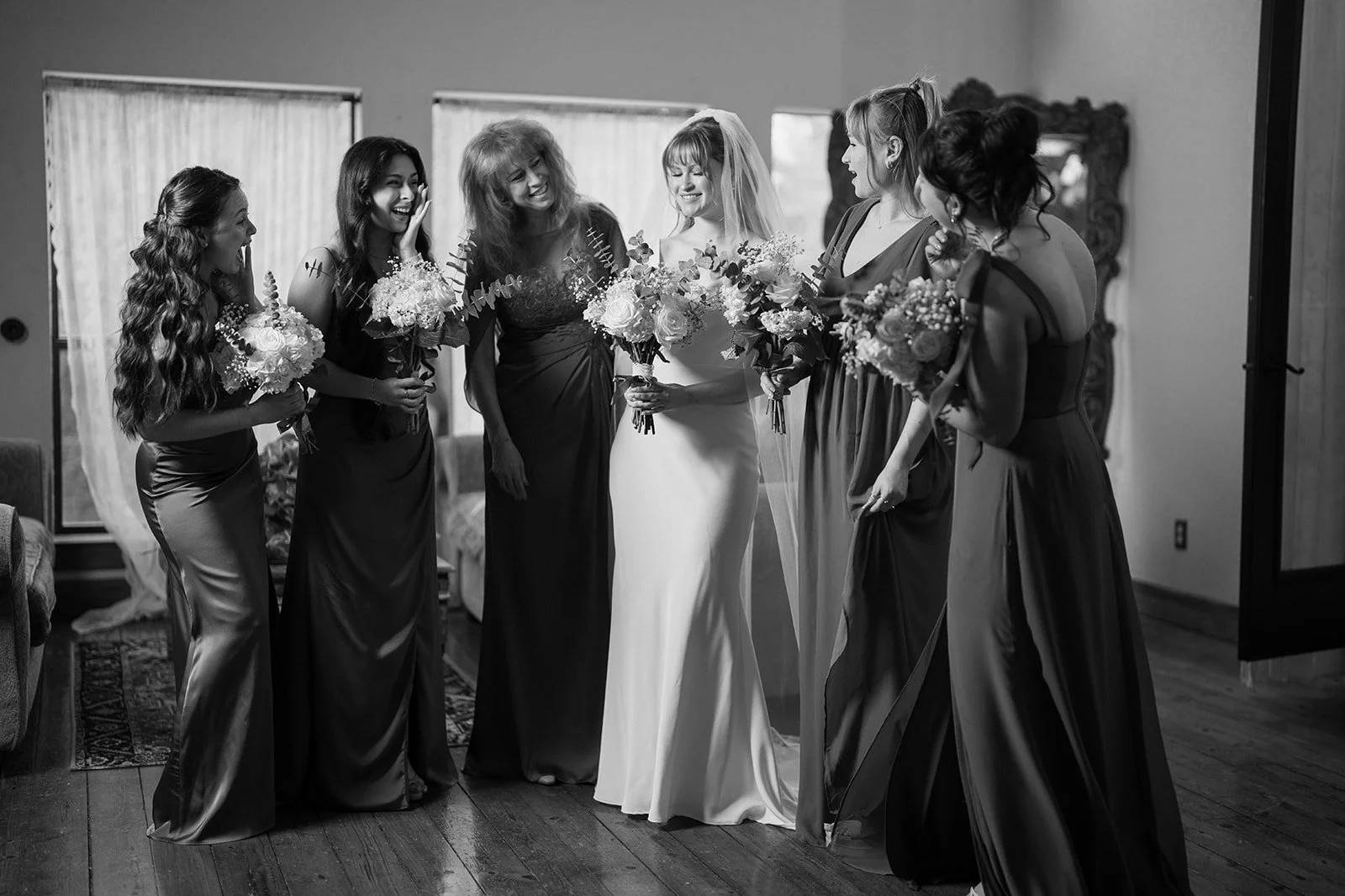
The getting-ready space appears in more photographs than most couples expect.
Before the photographer arrives, place luggage, plastic bags, water bottles and food containers in one designated corner or another room.
Choose one area near a window for dressing and portraits.
You do not need a perfect hotel suite.
You need one visually calm area with good light.
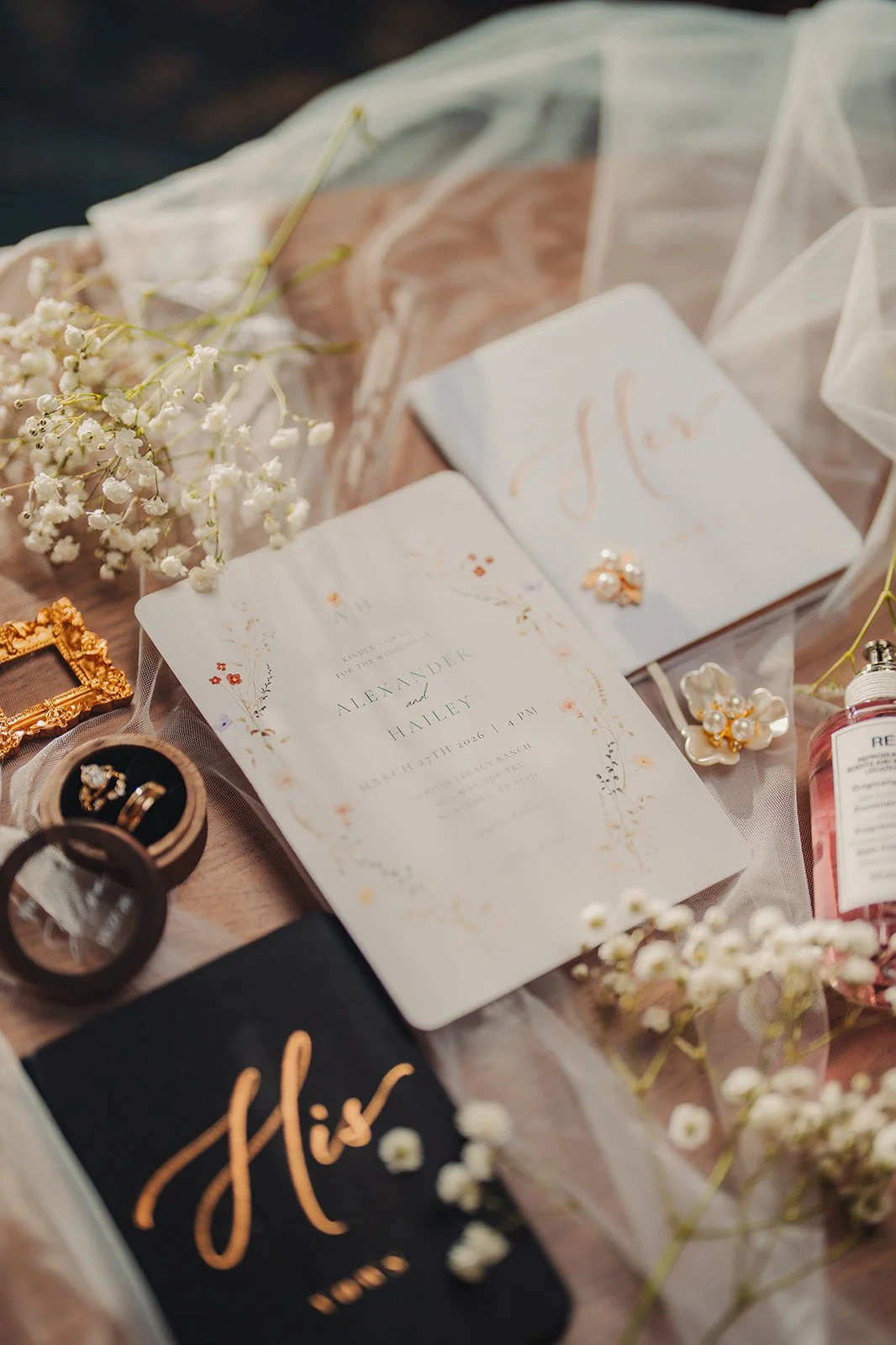
Also gather the important details before I arrive:
Invitation suite
Rings
Shoes
Jewelry
Perfume
Vow books
Family heirlooms
Cuff links
Watch
Tie or bow tie
Boutonniere
Any meaningful personal objects
Having everything together allows me to photograph the details efficiently without interrupting hair and makeup to search for one missing earring.
11
PUT THE RINGS ON SLOWLY
During the ring exchange, take your time.
Hold the other person’s hand gently and place the ring on slowly rather than covering it completely with both hands.
Keep your hands around waist or chest height, where they can be seen clearly.
This is another moment that cannot be repeated during the ceremony.
A small pause makes it easier to photograph and gives you time to actually experience it.
12
ASSIGN A FAMILY-PHOTO PERSON
The photographer does not always know every cousin, sibling, aunt or grandparent by sight.
Choose one person from each side of the family who knows everyone and can help gather people for formal portraits.
Send the photographer a concise family-photo list before the wedding.
Use names, not only relationships.
For example:
Bride + mother, Anna
Bride + father, Michael
Couple + groom’s parents, Sarah and David
Couple + both immediate families
Keep the list focused.
Large combinations take longer than they appear, especially when guests begin walking toward cocktail hour.
13
EMPTY YOUR POCKETS
Before portraits and the ceremony, remove phones, keys, wallets and anything else creating visible shapes in pockets.
Ask someone to hold them.
Also remove hair ties from wrists unless they are intentionally part of the look.
These details are small in real life and surprisingly obvious in photographs.
14
DO NOT TRY TO RECREATE EVERY PINTEREST PHOTO
Reference images are helpful for communicating atmosphere, styling and visual preferences.
They are not a shot-for-shot assignment.
Your venue, light, clothing, height, weather and relationship are different from the people in the reference.
The best photographs come from understanding what you like and translating it into your wedding — not copying someone else’s exact moment.
Use inspiration to define the direction.
Then allow your own day to exist.
15
TRUST THE LIGHT
Sometimes the best portrait location is not the place that looks most impressive to the eye.
A plain wall may have exceptional light.
A beautiful staircase may create unflattering shadows.
A dark reception room may require flash even if you prefer natural-light photography.
Professional lighting does not remove the atmosphere.
Used properly, it allows the atmosphere to appear in the photograph.
If I ask you to move closer to a window, step outside for five minutes or stand somewhere that seems unexpectedly simple, there is a reason.
16
LEAVE ROOM FOR THE UNPLANNED
Some of the most important photographs will not appear on the timeline.
A parent seeing you dressed for the first time.
A child hiding under the reception table.
A friend fixing your veil.
Someone crying during a speech and pretending not to.
A quiet minute alone before the ceremony.
Do not try to control every expression or fill every silence.
Live the day.
The photographer will watch the edges.